Preserving The Oral HistorIES of Combat Veterans
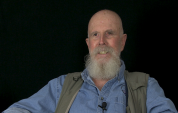
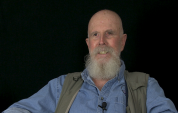
5:41 | Sky Spot was a terrible mission no one wanted. You flew at night in bad weather dropping ordnance from fifteen thousand feet. Dee Friesen didn't care for that but he felt that the other missions he was flying were making a difference in the war. An atmospheric physicist by training, he made a study of the volatile weather in Vietnam.
Keywords : Dee Friesen pilot Vietnam Sky Spot Strategic Air Command (SAC) radar weather Bien Hoa physics Pennsylvania State University (Penn State) monsoon
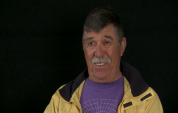
He had always wanted to be a pilot, ever since he was a kid. Dee Friesen was in graduate school studying physics when he was drafted. After five years of college he was eligible so he took this as an opportunity to fly.
As his pilot training was concluding, Dee Friesen was assigned to fly the F-100 fighter in Vietnam. Just as he was graduating, he was reassigned to more flight training. He was going to fly the A-37, a small modified trainer outfitted for close air support.
When you're a pilot on the way to Vietnam, you stop in the Philippines for "Snake School." Dee Friesen enjoyed this survival training in which native tribesmen try to find you in the jungle. He was destined for Bien Hoa, a big base which was home to the 90th Attack Squadron.
His first mission in Vietnam was flying cover for C-123s spraying Agent Orange. Dee Friesen recalls how there was no regard given for the potential danger. Eventually, he was flying operations in Cambodia, including an improvised stint as a Forward Air Controller.
Four of his fellow pilots were shot down while Dee Friesen was serving in Vietnam. It seemed almost random, who would be killed because you took this mission instead of that mission?
Each unit had a civic action officer and projects they worked on in the Vietnamese community. Dee Friesen did work at a Catholic school as well as raising money for an orphanage.
Dee Friesen relates a funny story about one of the officers in his unit at Bien Hoa that had to do with painting some barracks. His roommate there was Dwight Kelly, who would sometimes fly missions with him.
Dee Friesen's tour of Vietnam was cut short. It was late in the war and the US was winding down operations. When he got to the airport in San Francisco, he was subjected to the usual harassment from anti-war protestors.
After his Vietnam tour, Dee Friesen had a series of assignments including teaching at the Air Force Academy and doing research and testing for the Office of the Secretary of Defense.
Some of the guys he grew up with went to Canada during the war. After he returned from his Vietnam tour, Dee Friesen had to bite his tongue while listening to those sentiments. Silence was the best answer.