Preserving The Oral HistorIES of Combat Veterans
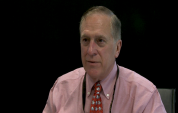
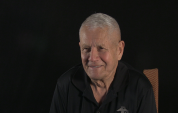
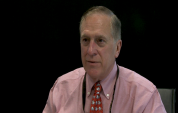
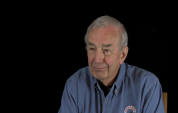
4:30 | Vietnam veteran Ambrose Fayard and his wife stressed education in their family. He started to think his son would never graduate high school. Surprisingly, he not only graduated but went to college and became a leader in the burgeoning field of AI.
Keywords : Ambrose Fayard Vietnam drinker alcohol education golf Information Technology (IT) computer artificial intelligence (AI) Pebble Beach Fred Couples Ireland IBM
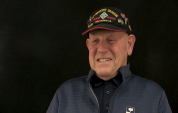
Ambose Fayard's mother passed away when he was a lad and he nearly wound up in an orphanage. He was a goalkeeper on an Irish hurling team when his cousin came from Chicago and said they needed a goalie there. So it was off to America.
Four lanes going one way! Ambrose Fayard could not get over how big and different everything was in America. He had come over from Ireland and was a Green Card holder which, as it turned out, did not protect him from the draft. After basic training, the Army made him a cook.
The troop transport was packed with thousands of men and endured a typhoon on the way to Vietnam. Army cook Ambrose Fayard was assigned to an artillery battery up in the Central Highlands. He marveled at the way Agent Orange cleared out the brush where a fire base was needed.
In training, the commander of the 155mm artillery battery decided that all personnel would have two jobs in the unit. That meant cook Ambrose Fayard was also on a gun crew. In his capacity as cook, he was proud of his version of that old classic, SOS.
There were a couple of singers and a couple of comedians, among others. Ambrose Fayard reminisces about his friends in the artillery battery back in Vietnam. He feels lucky that his tour was up well before the Tet Offensive hit.
Army cook Ambrose Fayard was ready to return home from Vietnam but his replacement had not yet arrived. When the man finally got there, he left, but when he got to the States, he felt the need to remove his uniform because of the prevalent anti-war sentiment.
We never should have been there. That's Ambrose Fayard's opinion on the Vietnam War. He feels bitter about the way the political and military leaders lied and how money was made from the conflict. But he does have fond memories of his commander and of the music of the time.